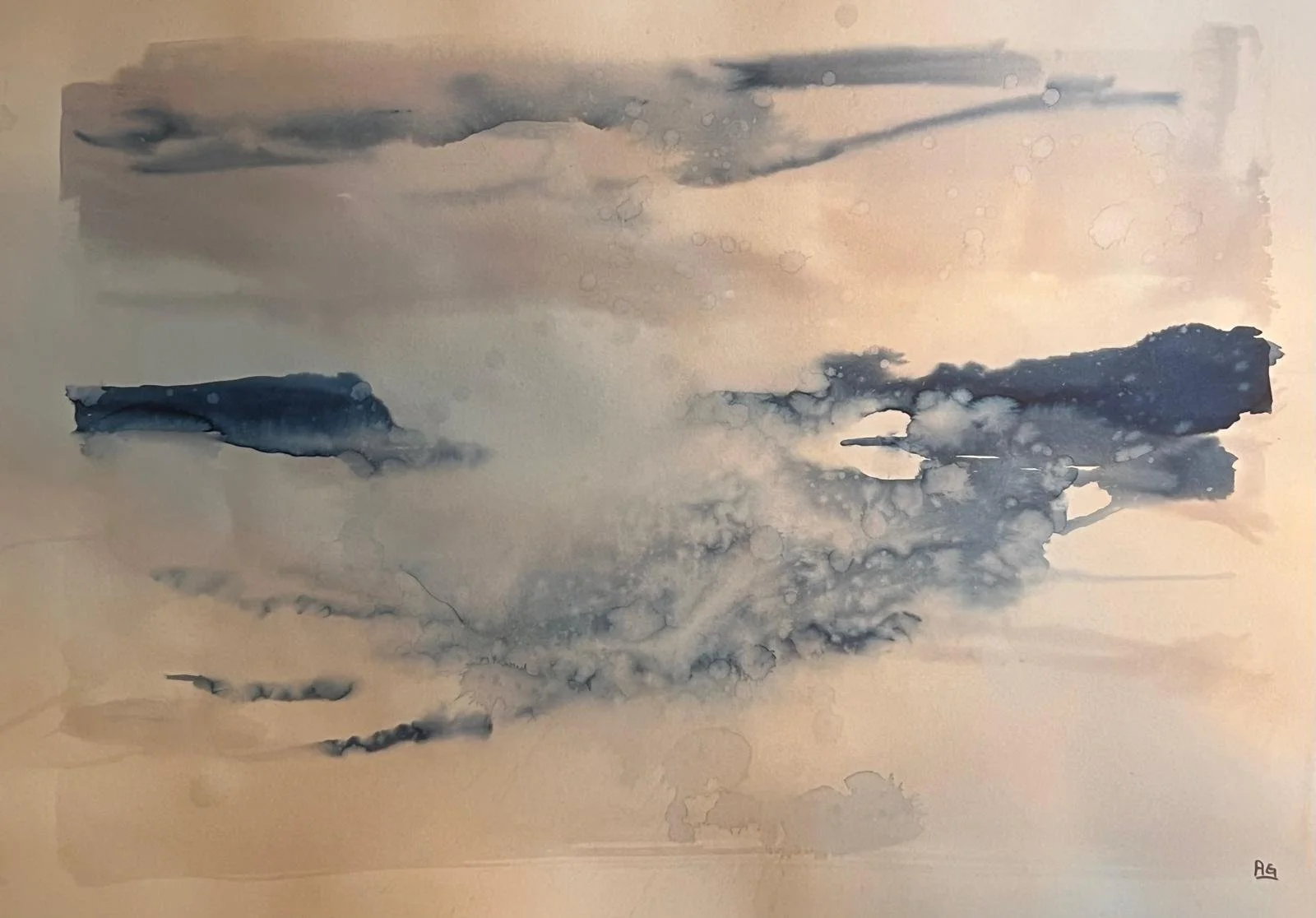
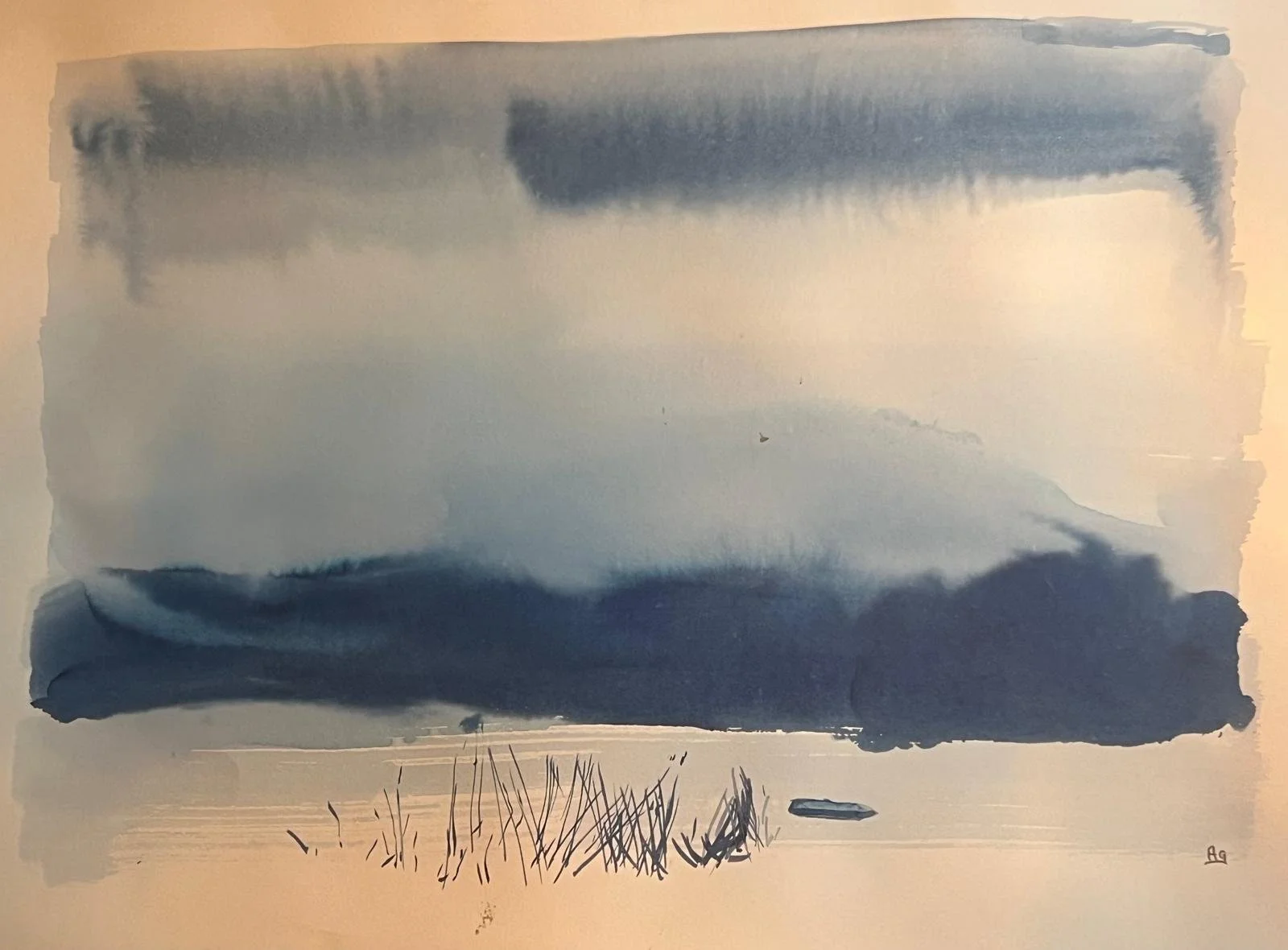
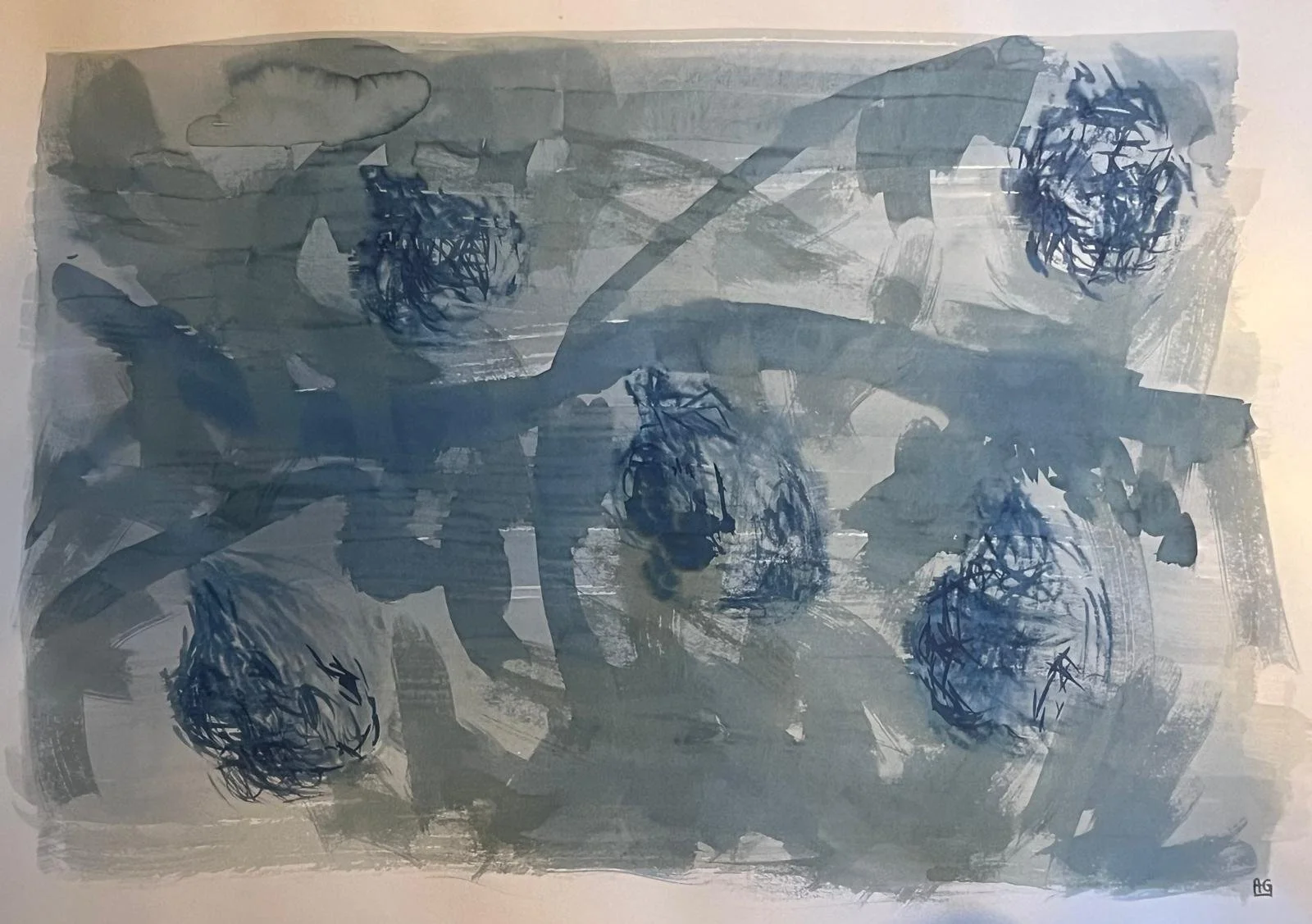
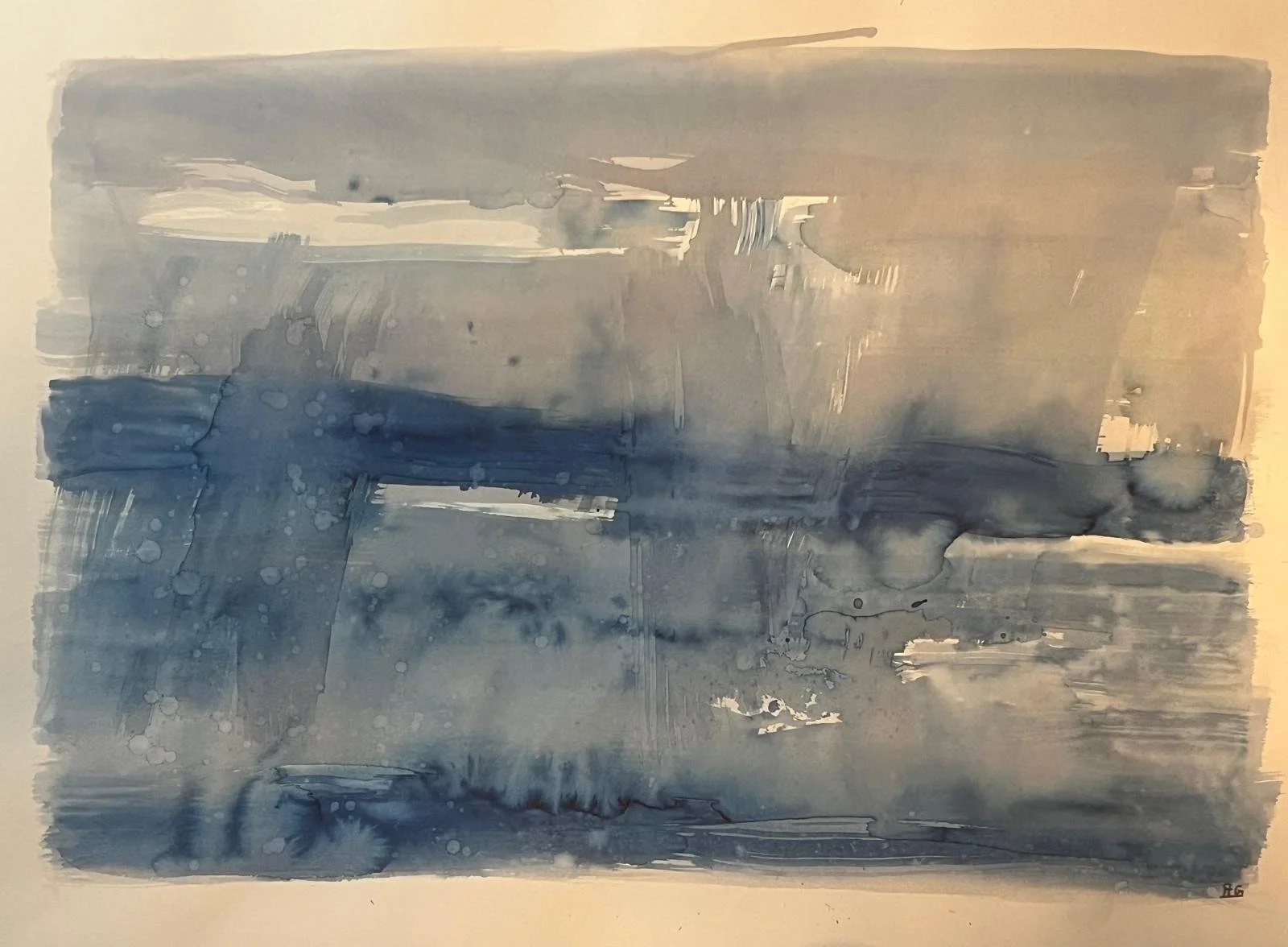
BLUE DELFT
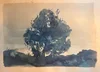
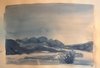
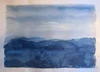
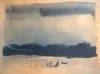
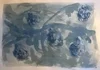
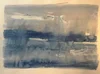
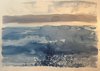
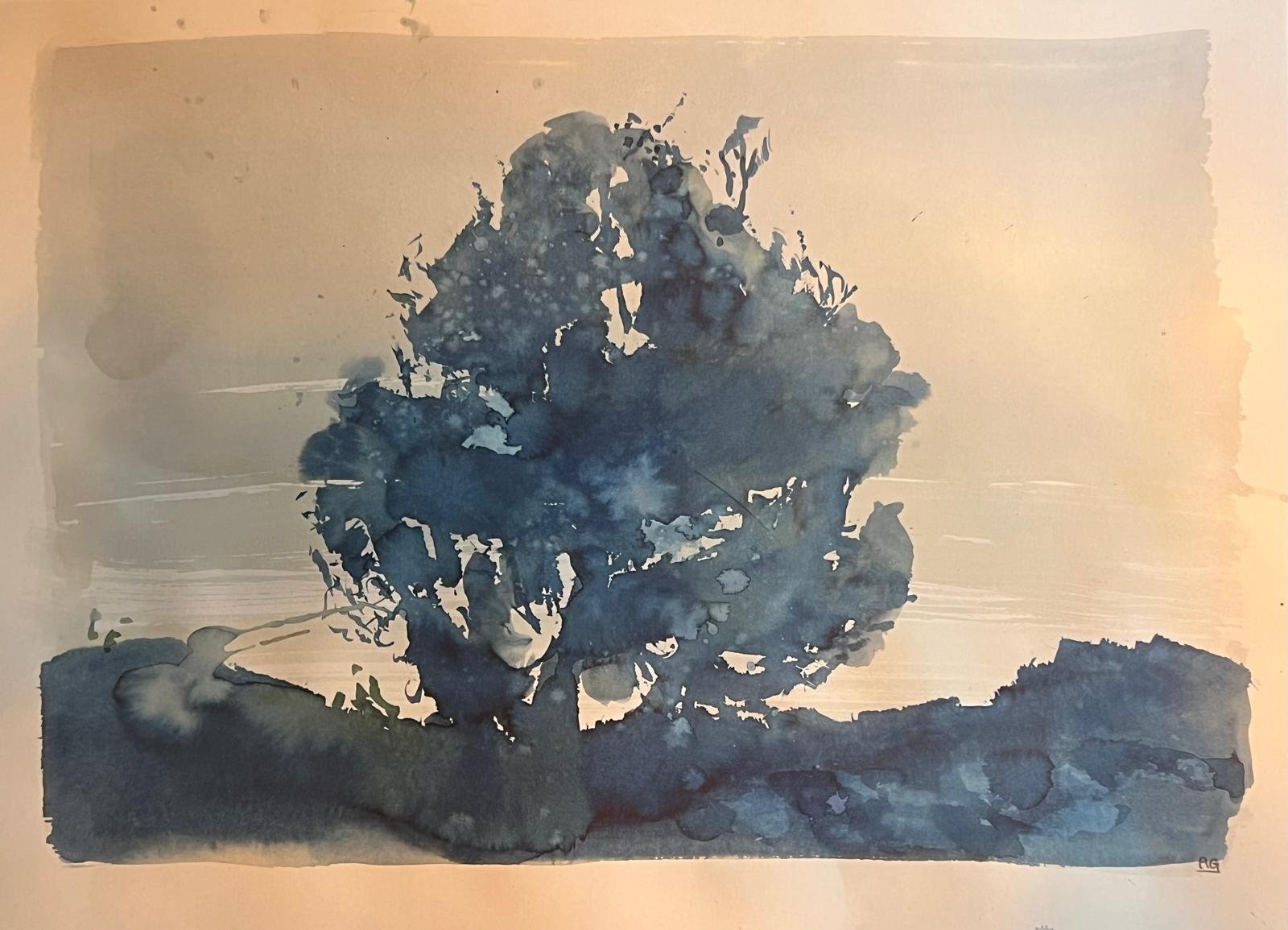
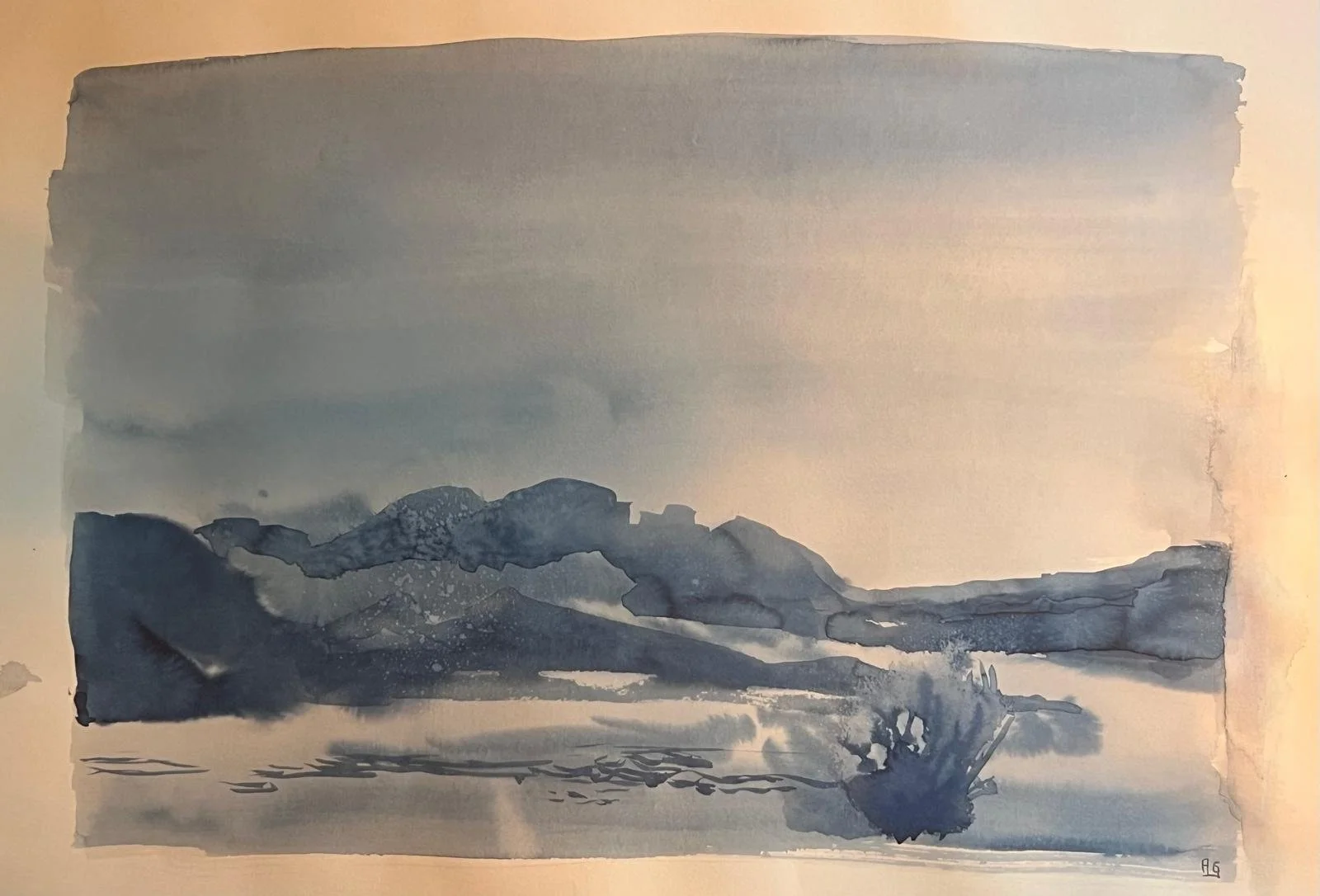
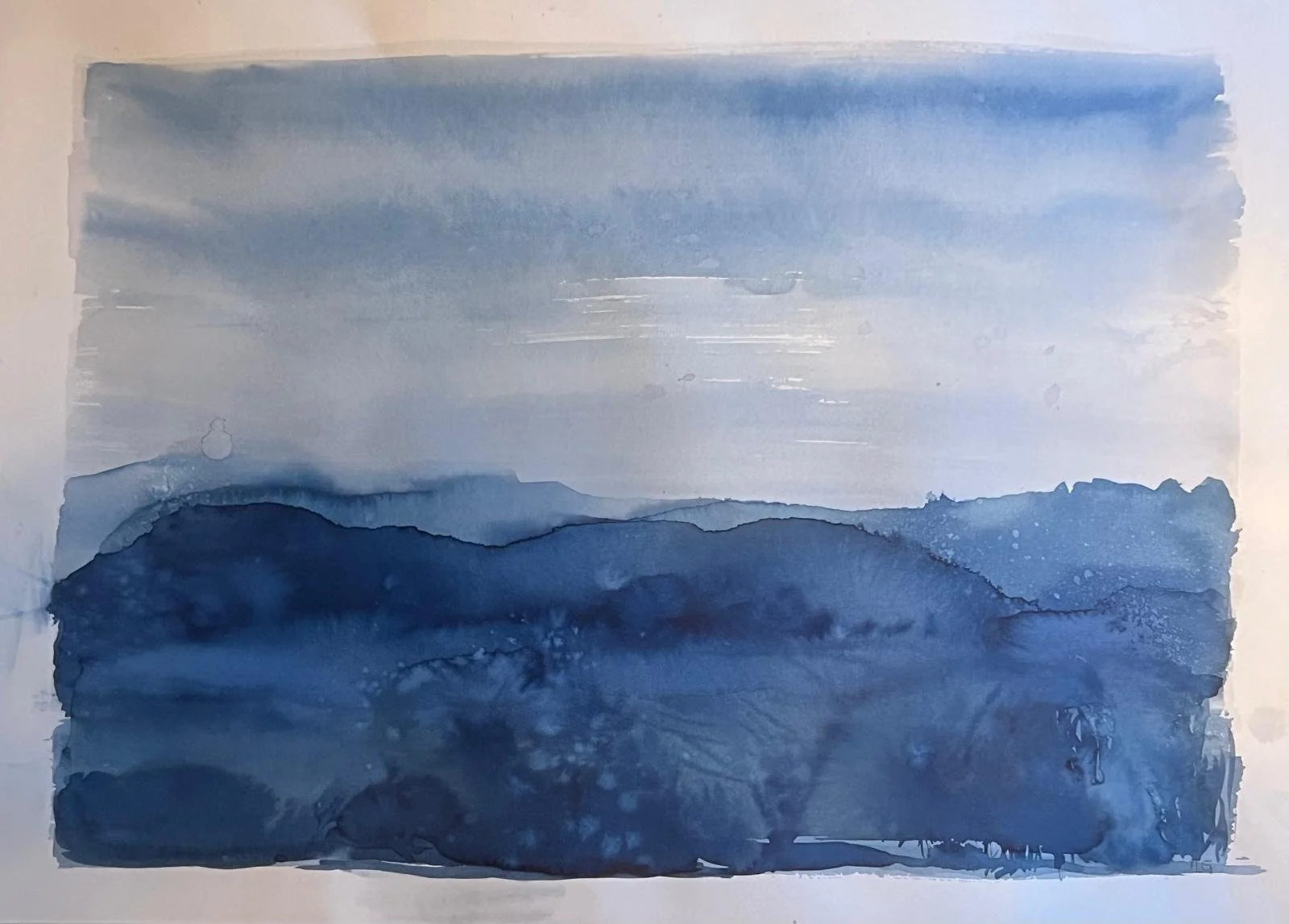
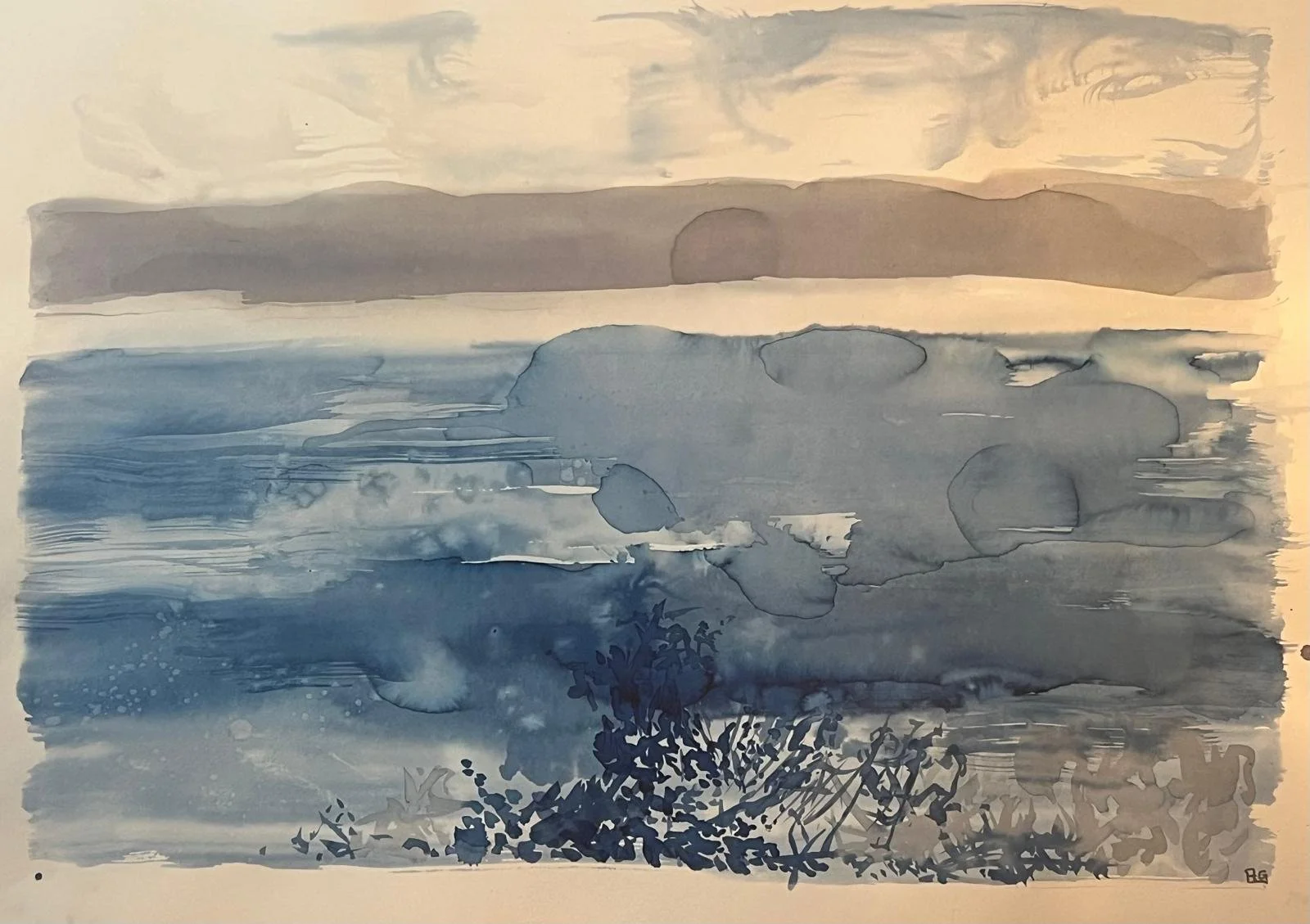
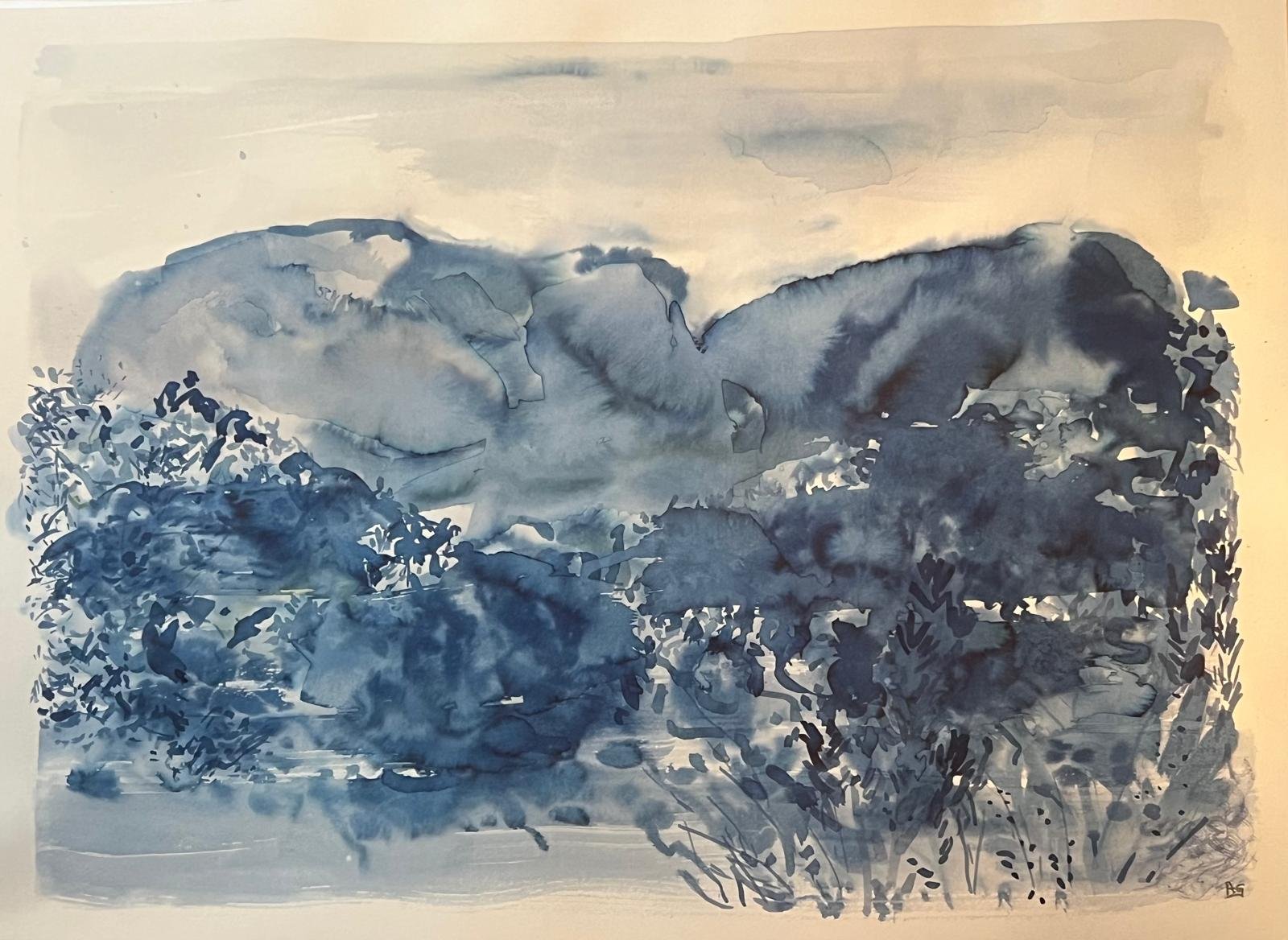
In early 2025 I was painting in the landscape again on the farm Cedar Peak, nestled in the Cederberg Mountains in South Africa. I found a way of tying the landscape into a South African historical timeline by introducing the colour blue. I call it a Delft blue because it reminds me of the colour used on Delft porcelain. It also reminds me of the blue found on old Chinese porcelain.
From around the middle of the seventeenth century South Africa, the Cape of Good Hope, primarily, was settled by Europeans, and became useful to the Dutch as a half-way refuelling station for their Dutch East India Company (The DOC). This company, trading between Asia and Europe, brought quantities of goods including blue and white Chinese plate to Europe (and to the Dutch settlers at the Cape). Amongst these settlers were my ancestors, and blue and white china from China, painted with exotic and far-away landscapes has been a feature of my life since childhood. The early Europeans were the first foreigners to see and settle in the remote and still-wild Cederberg mountains and valleys. Their legacy is deeply embedded. There is a sense of patina and history and palimpsest in this set of five blue and white paintings, referencing the fact that this place too, was once an exotic and far-away landscape for the then newcomers who settled.
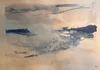
I continued to work in blue ink for these landscapes rendered in Church Haven, on the West Coast in South Africa, and in Hermanus on the East Coast.